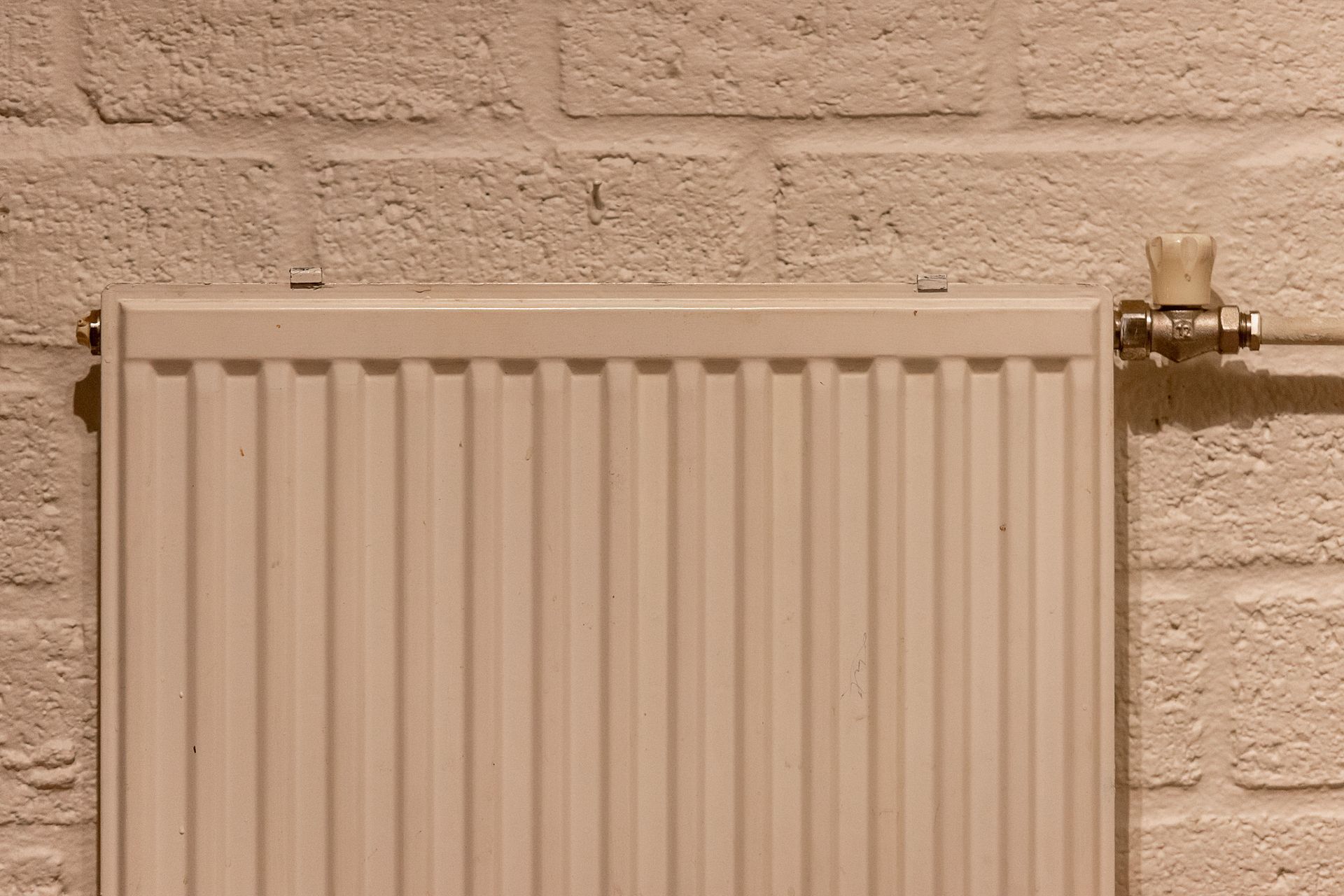
You go to take a shower and there's no hot water. Or the radiators won't warm up and there's a warning light on the boiler. Nine times out of ten in a Dutch home, the culprit is the same: low water pressure in your CV ketel .
The good news? This is one of the few plumbing problems you can usually fix yourself in about five minutes. Here's exactly how — and when it's a sign to call someone instead.
How to tell it's a pressure problem
Every CV ketel has a pressure gauge — either a round dial or a digital reading on the front panel. Check the number when the system is cold:
- Below 1.0 bar — too low. This is why you've lost heat or hot water.
- 1.0–2.0 bar — the healthy range. Aim for around 1.5 bar cold.
- Above 2.5 bar — too high. Don't top up (see below).
Many boilers also flash a low-pressure warning or an error code when the pressure drops too far.
How to top up your boiler: the filling loop
Under or beside the boiler you'll find the vulkraan — the filling loop. It's usually a grey or silver braided hose with a tap or valve at each end, connected to your cold water supply.
- Make sure the boiler is switched off and cold .
- Open both valves slowly. You'll hear water flowing in.
- Watch the gauge climb. When it reaches 1.5 bar, close both valves .
- Turn the boiler back on. Your heat and hot water should return within a few minutes.
Go slowly — it's easy to overshoot. If you do, there's usually a small bleed valve on a radiator you can use to let a little pressure back out.
Living on an upper floor? Why your boiler won't fill past a certain point
Here's something that catches a lot of people out in Amsterdam's apartments. The filling loop is fed by your cold mains water — and mains pressure drops the higher up you go. As a rule of thumb, you lose roughly 1 bar of pressure for every 10 metres of height above the street.
That matters because you can't fill a sealed heating system any higher than the mains pressure available at your tap. On the third or fourth floor, the incoming pressure may only be a little above your target. So the gauge fills slowly, and it may simply stall at around 1.2–1.5 bar and refuse to climb any further, no matter how long you leave the loop open.
If that's happening to you, you're not doing anything wrong — you've just hit the ceiling of what the mains can deliver at that height. If the system won't hold or reach a safe working pressure, that's the point to stop and get it checked properly.
When topping up isn't enough
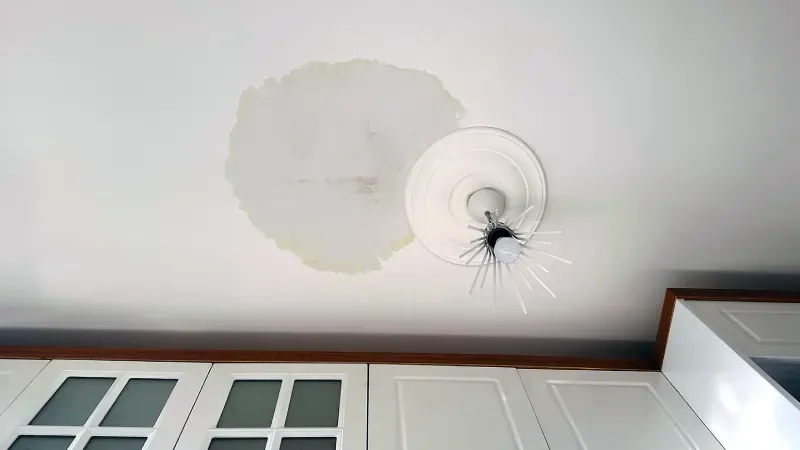
Topping up once or twice a year is completely normal. But if you're refilling every week, something else is going on — usually a small leak in the system, a failing expansion vessel, or a faulty pressure valve. That's not a DIY job.
The same applies if the pressure is stuck too high and won't come down, if you can't find the filling loop at all, or if it won't reach a safe pressure because of low mains supply on an upper floor.
When to call Your English Plumber
If topping up doesn't hold, or you'd rather not touch the boiler yourself, we'll sort it — in plain English, no translation app required. We cover Amsterdam and the surrounding area for boiler pressure faults, leaks, and full CV ketel servicing, with call-outs from €129 incl. VAT .
Not sure whether it's a pressure issue or something else? Read our guide to common CV ketel error codes and what they mean.